Parvovirus is a significant concern for pet owners in Darwin, and local vets, including those at Girraween Vet NT, are here to help
Parvo viruses are extremely infectious and can cause a potentially fatal sickness in dogs and cats. These viruses cause an infection called ‘Canine Parvo’ in dogs and ‘Feline Panleukopenia’ in cats. Despite the name differences, these are essentially the same disease.
It usually happens when a pet accidentally eats the virus. This can occur after being around an infected animal or finding it in the environment.
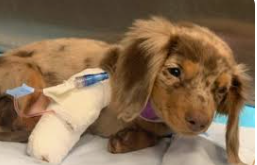
The viruses multiply in the pet’s body. This usually leads to serious stomach issues, loss of appetite, and tiredness. Pets may also have bloody diarrhea, vomiting, dehydration, and weakened immune systems.
Younger animals are particularly vulnerable, though animals of any age can contract the infection. When pets are sick, they shed many viruses in their vomit and diarrhea. This can contaminate their surroundings and may infect other animals.
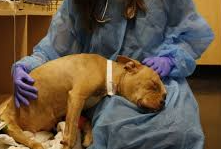
Treatment is intense and costly. It does not always work. Younger pets or those with health issues have a high chance of dying.
The virus itself is very strong and hangs around on surfaces and in soil for a long time. The warm Darwin, NT climate is good for the virus and helps it survive so it may never die. This means our pets can get sick from the disease even years after a pet contaminated the area.
The Impact of Parvovirus in Darwin Vet Clinics
Because the virus is so tough it spreads quickly through unvaccinated, stray, or wild animals. This keeps the risk of infection higher in Darwin than in other parts of the country.
Research from the Sydney School of Veterinary Science shows that the risk of parvo infection is high in the NT. This risk is greater than in any other part of Australia and twice as high as in NSW. This emphasizes the importance of regular vaccinations at your Darwin Vet.
The highest risk areas are places where unvaccinated or under-vaccinated dogs often go. This includes parks, beaches, and public paths. That being said, any animals that have access to the outdoors or other animals are potentially at risk.
Why Girraween Vet in Howard Springs Recommend Vaccination
We can protect cats and dogs against these infections with vaccination. Parvo is part of the core vaccination recommended for all dogs. The core vaccination for cats also includes protection against panleukopaenia which is the cat version of Parvo.
New strains of parvo virus appear over time. Vaccination protects against some strains and gives some cross-protection against others. However, as booster immunity fades, the risk of infection rises, especially from newer strains.
In tropical climates, the risk of getting Parvo is much higher. This is why Darwin Vets recommend vaccinating your pets every year. This will help keep their immunity strong. In places like down south where parvo is less common, pet owners can vaccinate their pets every 3 years.
People need to take extra care of puppies and kittens. They are at the highest risk from these viruses.
They do not receive full protection until after their final vaccination, which usually occurs around 16 weeks old. For puppies, this is a key time to meet new places, people, animals, and situations. This helps them become well-rounded socially.
Doing this in a way that minimizes the risk of exposure to Parvovirus is vital. You can carry them in pet shops. You can also place them on a blanket or bed in the shopping trolley at Bunnings. Taking them on car rides is another option.
Visiting friends with dogs that have current vaccinations is safe too. Just make sure there is no history of Parvo on their property.
To protect your pets, visit your local Darwin vet for vaccinations and advice on preventing parvovirus, especially if you are in areas frequented by unvaccinated animals
by Dr Sue Callow BSc BVMS MVS
